Inflatable / ASR Radome Systems
Inflatable air-supported radomes for antenna and radar protection
Air-supported radomes use high-performance membrane materials and controlled internal air pressure to create a protective RF-transparent enclosure for antenna, radar and communication sites.
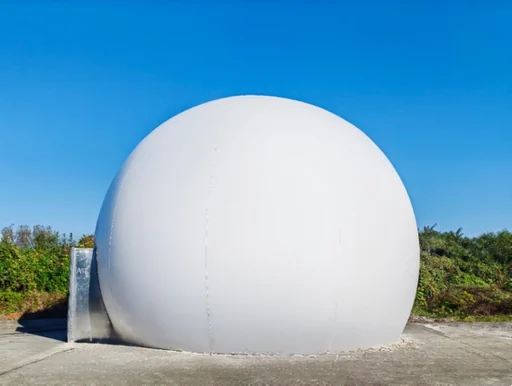
Membrane
Aramid fiber or PVC membrane options after project-specific review.
L / S / C / X / Ku / Ka
Frequency bands can be reviewed against RF transparency needs.
Air control
Internal pressure supports the enclosure and drives operation planning.
Hoisting
Installation route can be planned around site access and existing equipment.
When an inflatable radome makes sense
Air-supported radomes are most relevant when customers need a large enclosed protective volume, fast site delivery, broad RF review and a structure that does not rely on a rigid frame inside the RF path.
- Large antenna or radar sites where a rigid shell becomes difficult to transport or install.
- Existing antenna systems that need a protective cover added without redesigning the whole equipment package.
- Remote, rooftop, containerized or access-limited sites where installation method matters early.
- Projects where wind, snow, UV, temperature, altitude and corrosion exposure need clear review.
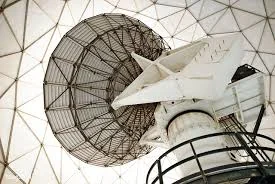
Core Advantages
Designed around RF, weather and site delivery
RF-friendly enclosure
The membrane enclosure can reduce rigid structural interference in the antenna envelope. Final RF suitability still depends on frequency band, membrane selection and project requirements.
Pressure-supported structure
Internal air pressure supports the membrane shape, so blower, power, air control, anchoring and monitoring logic must be part of the project scope.
Installation flexibility
ASR projects can be planned for ground, rooftop, containerized service spaces or existing antenna sites depending on access, lifting and foundation conditions.
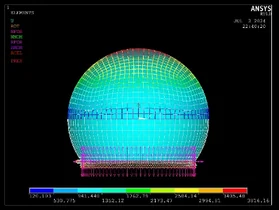
Simulation and technical review
For inflatable radomes, the technical package should not stop at a product photo. Radomecn can coordinate project review around RF transparency, wind load, snow load, membrane stress, pressure control and installation sequence.
- Finite element simulation for wind, snow and structural response.
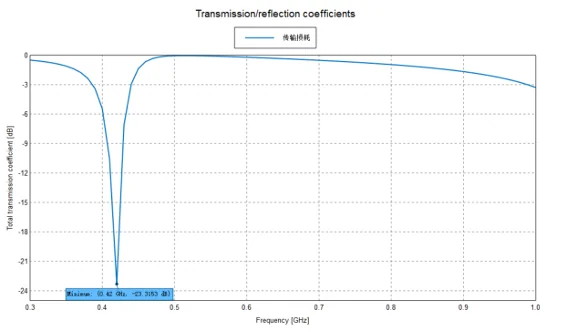
- RF review around frequency band and expected insertion loss.
- Pressure-control concept for operation and maintenance planning.
- Installation method review based on site access and protected equipment.
RF and membrane information buyers should send
Early RF and membrane selection depends on real equipment data. A good enquiry includes frequency band, target loss if available, antenna size, site load and the expected service environment.
ASR vs rigid radome: how buyers should compare
The right choice is not universal. The comparison should be made around RF band, size, site access, downtime, operation responsibility and life-cycle maintenance.
| Decision point | Inflatable / ASR radome | Rigid composite or space frame radome |
|---|---|---|
| RF path | Membrane enclosure with no rigid frame inside the main envelope. | Depends on shell, frame, panels and material structure. |
| Installation | Can be planned around membrane deployment, anchoring and pressure commissioning. | Often requires panel/frame assembly, lifting or scaffolding. |
| Operation | Needs air-control, blower, power and monitoring plan. | Usually passive after installation, but structure and sealing still need maintenance. |
| Best fit | Large enclosed antenna sites, access-limited projects, fast enclosure planning. | Projects needing rigid shell or frame-based long-term structure. |
Installation Video & Simulation Package
Use video evidence and simulation data during technical review
For ASR enquiries, Radomecn can organize the discussion around installation sequence, membrane deployment, anchoring, air-control commissioning and simulation outputs. Installation videos can be embedded on this page once the approved files or video URLs are ready.
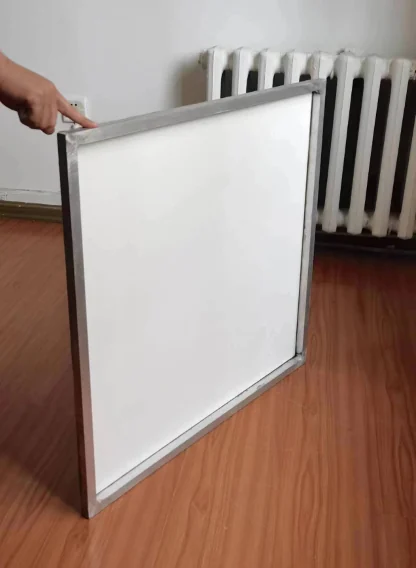
Membrane and panel details
Show material, joint, anchoring and interface details so buyers understand what will be installed.
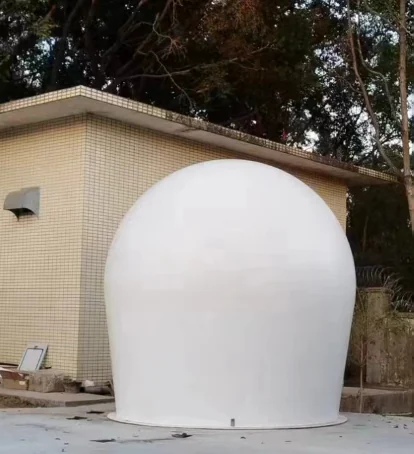
Application and site context
Use project photos, site drawings and weather assumptions to explain why ASR is the correct route.
Installation sequence
Video should cover packing, unloading, membrane spread, anchoring, blower/control setup, inflation and final handover checks.
What to send for an inflatable radome quotation
The more complete the inputs, the faster the factory can judge whether ASR is the right route.
- Antenna or radar model, operating frequency band and expected RF performance.
- Required protected diameter, height, clearance and equipment movement envelope.
- Country, altitude, wind, snow, ice, UV, salt fog, temperature and corrosion conditions.
- Foundation, anchoring interface, rooftop/ground/container layout and available power/control space.
- Transport access, crane/hoisting access, local crew responsibility and target installation window.
- For existing antenna sites: photos, layout drawings and whether operation downtime must be minimized.
Connected next steps
Connect ASR review with the full project path
Inflatable radome selection should be reviewed together with datasheet coverage, RF parameters, installation planning and the structured enquiry form.
Start with selection
Use the selection guide if you are not sure whether FRP, MSF, ASR or an application-specific radome fits.
Open guideCompare radome coverage
Use the datasheet page to understand which radome families and parameters are covered.
Open datasheetCheck technical inputs
Review frequency band, antenna size, truncation height, insertion loss, altitude and country/site data.
View parametersPrepare enquiry data
See what drawings, photos, RF data and site information make quotation faster.
Prepare RFQSend the project
Submit frequency, antenna size, radome type, location and site constraints through the structured form.
Open enquiry formNeed to evaluate an inflatable radome route?
Send the antenna/radar data, frequency band, site country, altitude, wind/snow conditions and installation constraints. We will help define whether ASR, FRP or metal space frame is the better project path.