Large-Span Radome Structures
Metal Space Frame Radomes
Metal space frame radomes support larger-span projects where structural stiffness, modular assembly and site installation planning are central to the project.
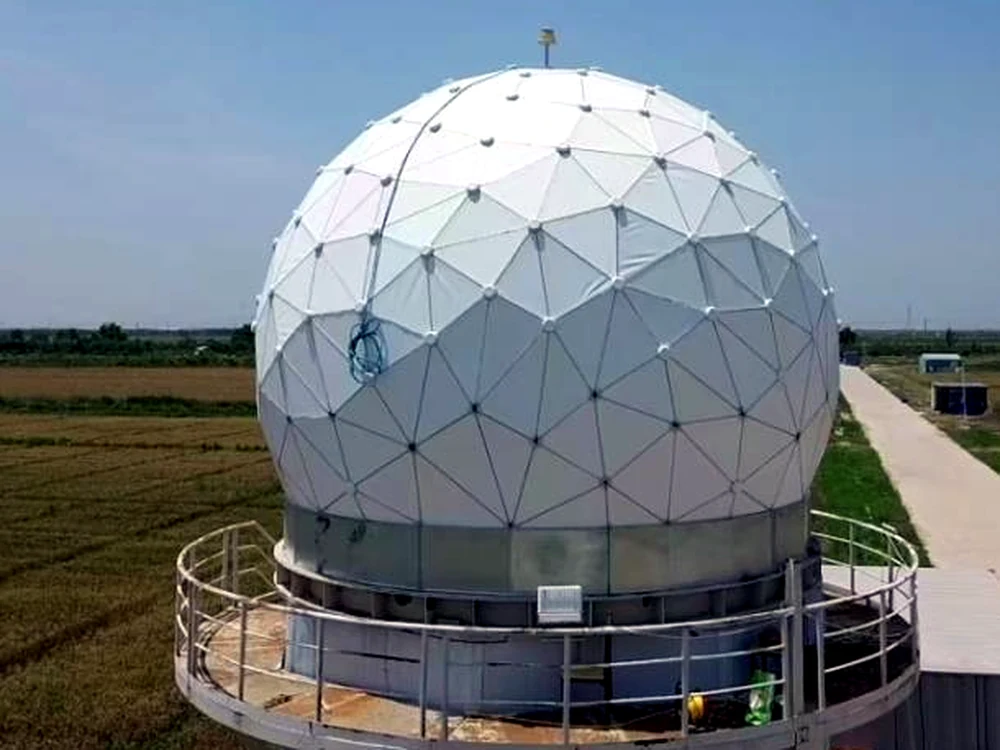
Typical use cases
This page is for customers who already know the protected antenna, radar or communication equipment and need a standalone radome source.
- Large radar, monitoring, satellite communication or weather-related sites that need a rigid structural radome.
- Projects where modular transport and onsite assembly are more realistic than a single-piece shell.
- Replacement projects where an old large radome needs improved structure, sealing or installation planning.
- Sites exposed to high wind, coastal conditions, snow, ice or demanding long-term service requirements.
Structural frame
The frame layout, joints, fasteners and interface details should be aligned with site loads and installation method.
Panel or membrane selection
The RF-facing surface must be selected around frequency, weather exposure and maintenance expectations.
Installation sequence
Large radomes need clear packing, lifting, assembly and handover planning before the site work begins.
What buyers should prepare
- Required diameter, height and equipment clearance.
- Operating frequency range and antenna/radar movement envelope.
- Foundation or base ring details, access and lifting conditions.
- Site wind, corrosion, temperature, snow and ice requirements.
How Radomecn helps
We connect the enquiry with factory engineering, confirm practical inputs, support quotation preparation, and coordinate supply, replacement or onsite installation requirements when needed.
Connected next steps
Connect this product with the next step
Most radome buyers need to compare product type, confirm technical parameters, prepare site data and then send a structured enquiry.
Start with selection
Use the selection guide if you are not sure whether FRP, MSF, ASR or an application-specific radome fits.
Open guideCompare radome coverage
Use the datasheet page to understand which radome families and parameters are covered.
Open datasheetCheck technical inputs
Review frequency band, antenna size, truncation height, insertion loss, altitude and country/site data.
View parametersPrepare enquiry data
See what drawings, photos, RF data and site information make quotation faster.
Prepare RFQSend the project
Submit frequency, antenna size, radome type, location and site constraints through the structured form.
Open enquiry form