Civil Aviation Radar Protection
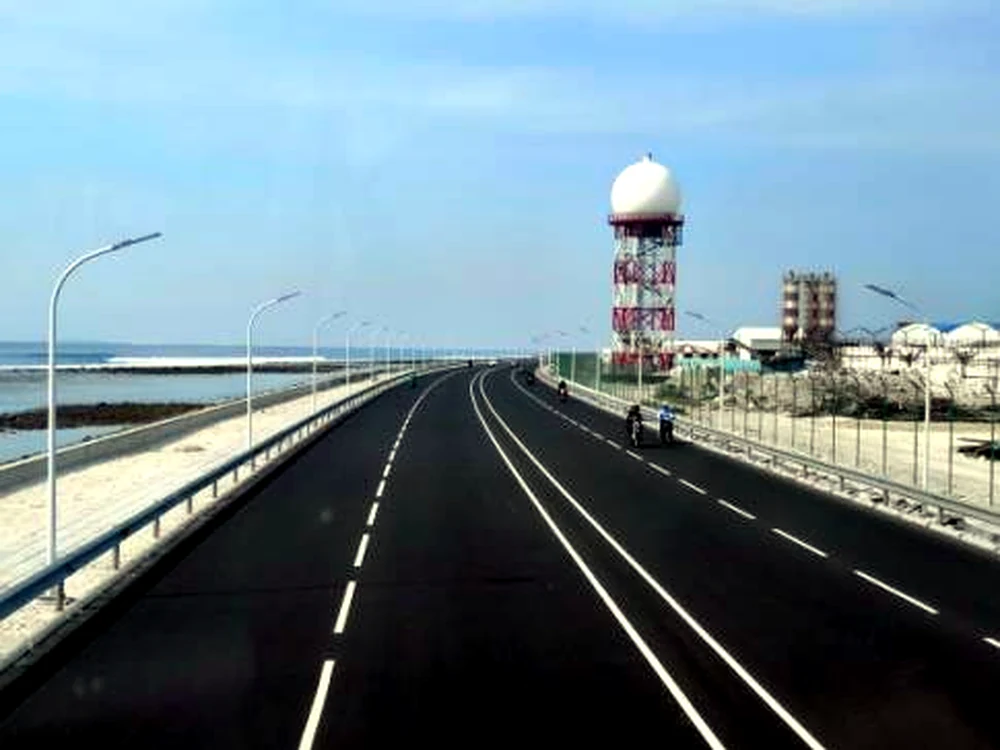
Air Traffic Control Radomes
WhatsApp Project Inquiry · +351 913981834 Enquiry form
Air traffic control radomes require careful attention to RF performance, reliability, environmental load and long-term site operation.
Typical use cases
This page is for customers who already know the protected antenna, radar or communication equipment and need a standalone radome source.
- Civil aviation radar and airport-related monitoring sites that need standalone radome sourcing.
- Replacement projects for aging ATC radar radomes where the protected equipment remains in use.
- Projects that require factory-backed technical review and export coordination.
- Operators or contractors who need a radome manufacturer rather than a complete radar package.
Signal protection
The radome must protect the radar while minimizing unwanted impact on signal performance.
Reliability focus
Long-term outdoor performance, sealing, fasteners and structural integrity matter for operating sites.
Project documentation
Clear drawings, specifications, site inputs and installation responsibilities help reduce project risk.
What buyers should prepare
- Radar type, frequency range and any available radome specification.
- Existing radome drawings, photos and condition notes for replacement.
- Site weather conditions, foundation/interface details and access constraints.
- Any documentation or certification requirements for procurement review.
How Radomecn helps
We connect the enquiry with factory engineering, confirm practical inputs, support quotation preparation, and coordinate supply, replacement or onsite installation requirements when needed.
Connected next steps
Connect this product with the next step
Most radome buyers need to compare product type, confirm technical parameters, prepare site data and then send a structured enquiry.
Start with selection
Use the selection guide if you are not sure whether FRP, MSF, ASR or an application-specific radome fits.
Open guideCompare radome coverage
Use the datasheet page to understand which radome families and parameters are covered.
Open datasheetCheck technical inputs
Review frequency band, antenna size, truncation height, insertion loss, altitude and country/site data.
View parametersPrepare enquiry data
See what drawings, photos, RF data and site information make quotation faster.
Prepare RFQSend the project
Submit frequency, antenna size, radome type, location and site constraints through the structured form.
Open enquiry form