Radome Buying Guide
Radome selection guide
Use this guide when you know the antenna, radar or site problem, but are not sure whether the project should use FRP, metal space frame, inflatable ASR, weather/satcom, ATC or replacement support.
Start with the project situation
Most radome enquiries fall into one of four paths. Choose the path first, then confirm the product family.
| Situation | Best next page | Key information to prepare |
|---|---|---|
| New standalone radome | New Radome Supply | Equipment type, frequency band, size, site country and schedule. |
| Old cover needs replacement | Radome Replacement | Old photos, diameter, height, base interface, damage notes and RF band. |
| Site assembly is difficult | Onsite Installation | Access, lifting method, local crew, downtime and weather window. |
| RF or structure is uncertain | RF & Structural Testing | Frequency, loss target, wind/snow/ice load and material requirements. |
Protected Equipment
Choose by antenna or radar type
The same radome diameter can lead to different product choices depending on equipment, RF band, operating site and installation route.
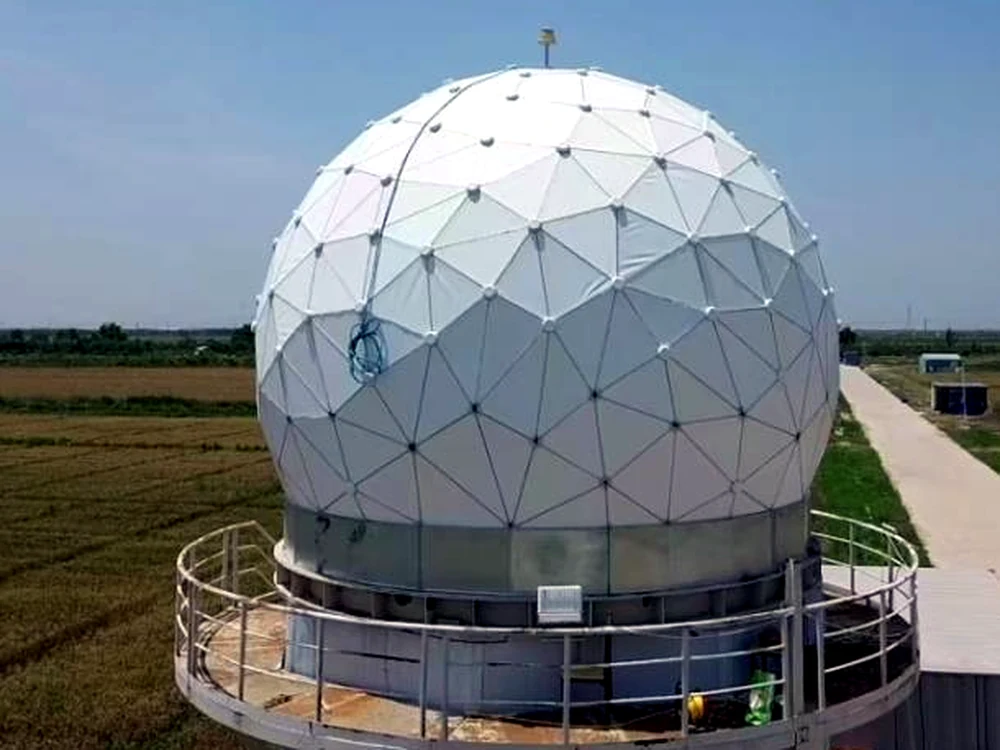
General antenna, radar or replacement cover
Start with FRP / composite when a rigid shell, custom size and stable outdoor performance are required.
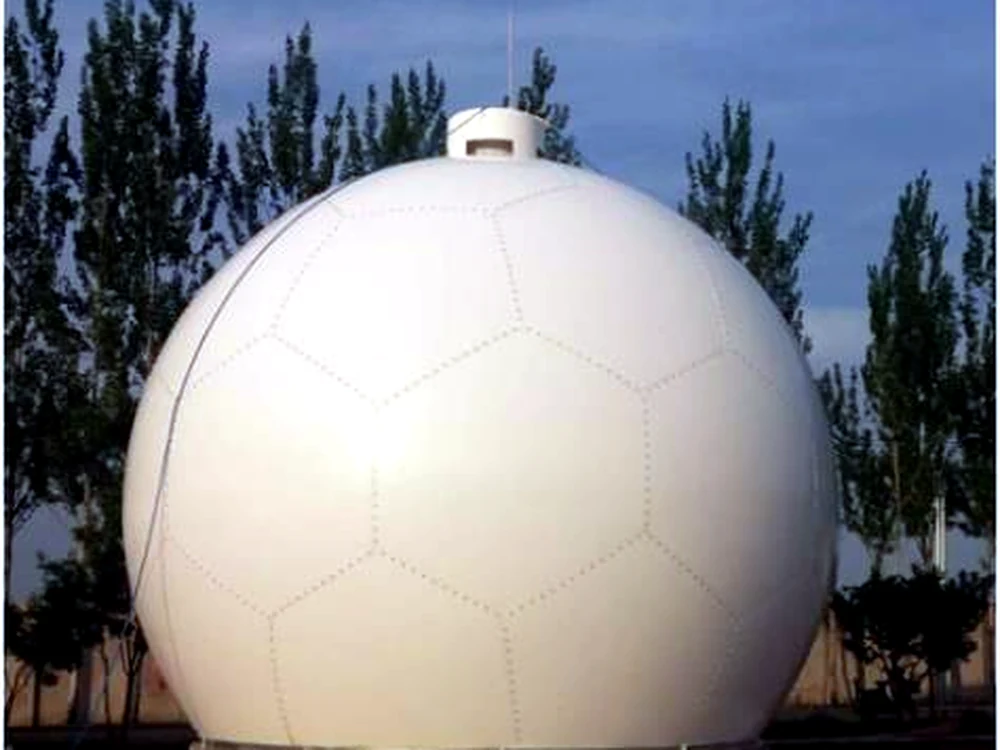
View FRP radomesLarge-span radar or exposed site
Start with metal space frame when structural span, wind load, modular transport and onsite assembly are central.
View MSF radomes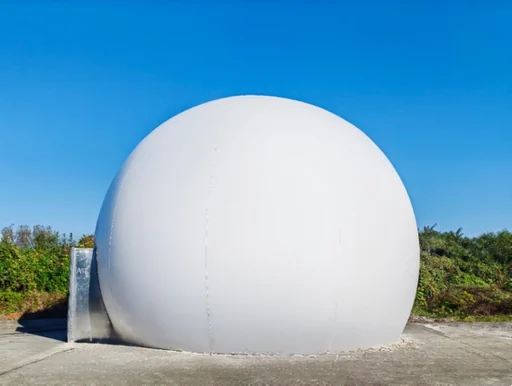
Large enclosed antenna or access-limited site
Start with inflatable ASR when membrane enclosure, pressure control and hoisting-based installation may fit better.
View ASR radomes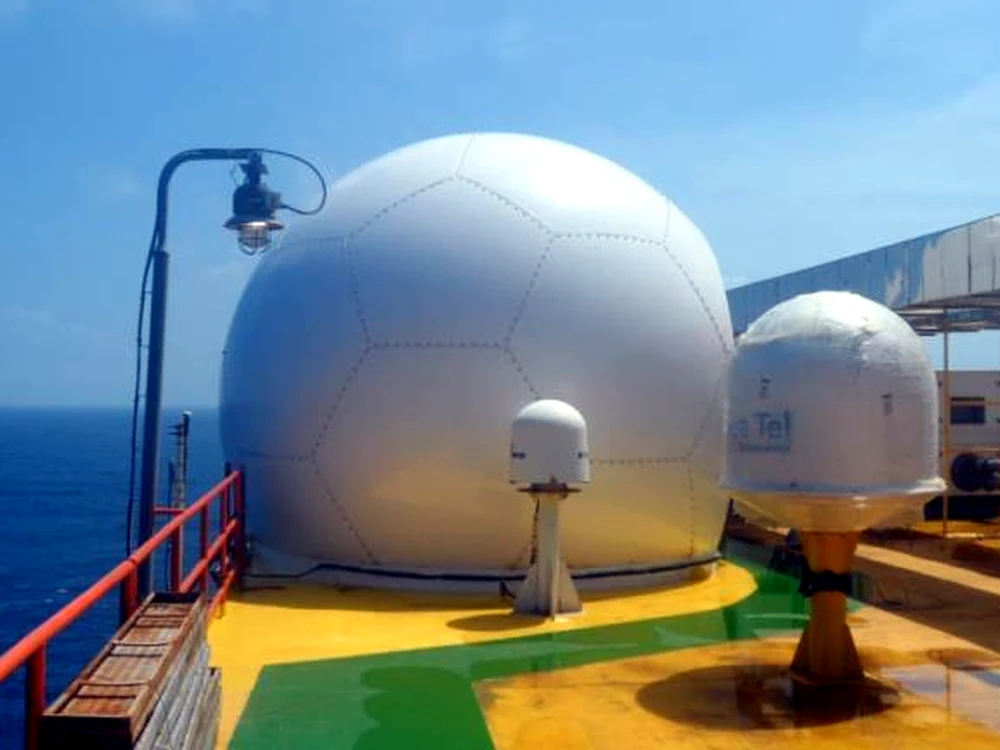
Weather radar or satellite communication
Start with application-specific review when weather, satcom, remote site or high environmental exposure matters.
View weather and satcom radomes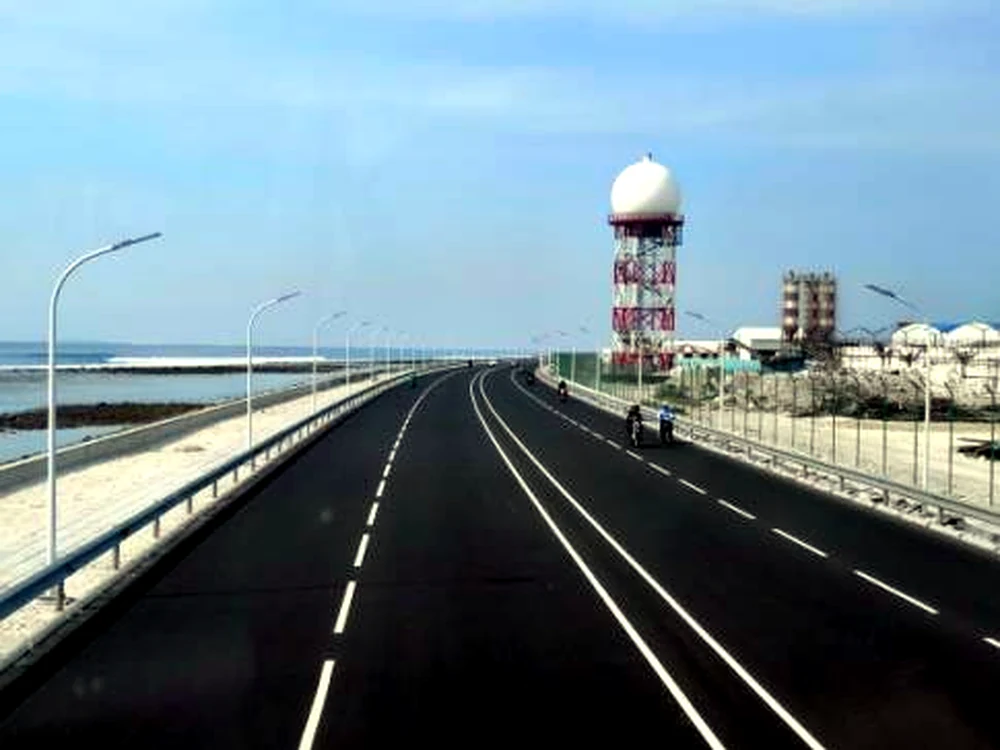
Civil aviation or airport radar
Start with ATC radomes when RF reliability, documentation, long-term operation and procurement review matter.
View ATC radomesChoose by site environment
If the buyer knows the location problem better than the product name, use the environment to guide the enquiry.
| Site environment | Main concern | Typical route |
|---|---|---|
| Coastal or island | Salt fog, corrosion, wind and maintenance access. | FRP, MSF or weather/satcom review. |
| Mountain or high altitude | Wind, snow, ice, UV, logistics and short installation window. | MSF, ASR or replacement with installation planning. |
| Tropical rain / humid site | Heavy rain, humidity, sealing, UV and wet-surface RF behavior. | FRP, weather/satcom or ASR review. |
| Desert or dusty site | Dust abrasion, temperature swing, UV and cleaning access. | FRP or MSF with surface and sealing review. |
| Typhoon or hurricane wind area | Extreme wind, gust, anchoring, fasteners and shutdown limits. | MSF or engineered FRP after structural review. |
| Airport, rooftop or restricted site | Permits, lifting limits, downtime, safety control and work window. | ATC, FRP, ASR or onsite installation route. |
| Remote inland site | Transport route, local crew capability, tools and spare parts. | Modular MSF, ASR or guided installation route. |
What the form should capture
Once the likely route is clear, the enquiry form should capture the details that make quotation possible.
- Frequency band and target insertion loss if available.
- Antenna or radar size, movement envelope and required clearance.
- Preferred radome type if known, or "not sure yet".
- Country, altitude, wind, snow, ice, UV, salt fog, dust and temperature conditions.
- New supply, replacement, onsite installation or technical review scope.
- Drawings, photos, datasheet or old radome condition notes.
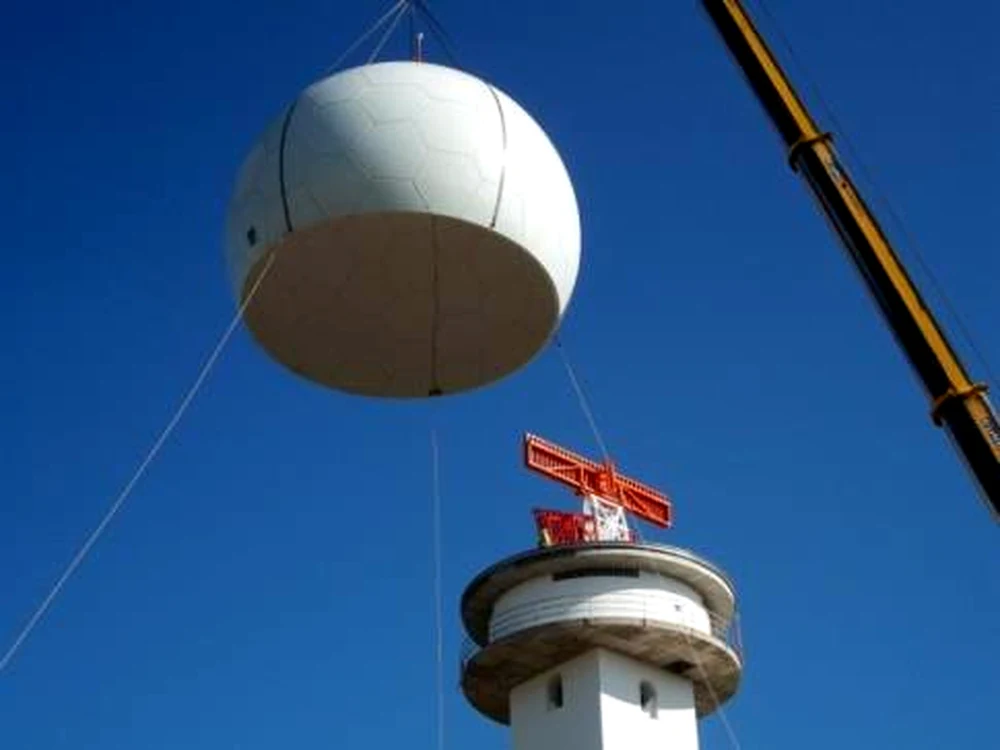
Not sure which radome type fits?
That is normal. Send the equipment, frequency band, size target, location and site photos. We can route the enquiry to the right radome product and project path.