Composite Radome Products
FRP Radomes
FRP radomes are a practical choice for many antenna, radar, satellite communication and industrial communication sites that need weather protection with stable RF transparency.
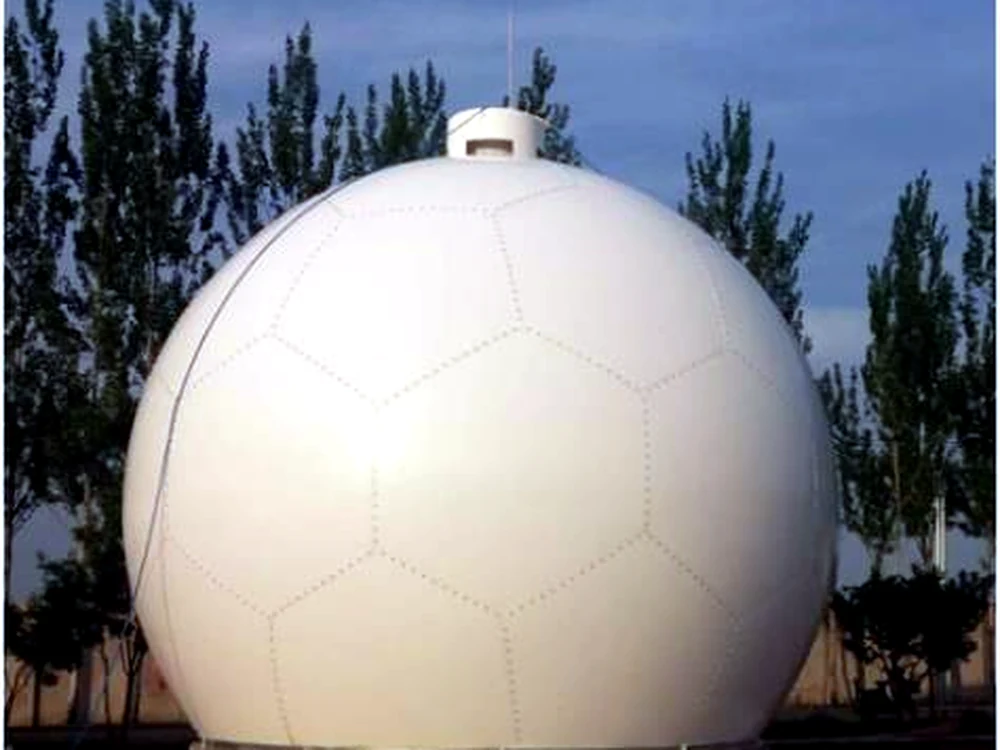
Typical use cases
This page is for customers who already know the protected antenna, radar or communication equipment and need a standalone radome source.
- Standalone protection for antennas or radar systems where the equipment supplier does not include a suitable cover.
- Replacement of aging or damaged fiberglass radomes while keeping the existing antenna or radar equipment.
- Sites requiring UV, rain, wind, corrosion and long-term outdoor exposure resistance.
- Small and medium radomes, plus custom composite structures where size, interface and RF requirements are defined.
RF transparency
Material and wall structure need to match the operating frequency range and acceptable signal loss.
Weather resistance
FRP structures can be specified for wind, UV, rain, salt spray, temperature and site exposure requirements.
Manufacturable geometry
Dimensions, base interface, panel split, access and transport limits should be reviewed before quotation.
What buyers should prepare
- Antenna or radar model and operating frequency range.
- Required radome diameter, height, base interface and access requirements.
- Site location, wind load, snow, ice, UV and corrosion conditions.
- Photos, drawings or old radome dimensions if this is a replacement project.
How Radomecn helps
We connect the enquiry with factory engineering, confirm practical inputs, support quotation preparation, and coordinate supply, replacement or onsite installation requirements when needed.
Connected next steps
Connect this product with the next step
Most radome buyers need to compare product type, confirm technical parameters, prepare site data and then send a structured enquiry.
Start with selection
Use the selection guide if you are not sure whether FRP, MSF, ASR or an application-specific radome fits.
Open guideCompare radome coverage
Use the datasheet page to understand which radome families and parameters are covered.
Open datasheetCheck technical inputs
Review frequency band, antenna size, truncation height, insertion loss, altitude and country/site data.
View parametersPrepare enquiry data
See what drawings, photos, RF data and site information make quotation faster.
Prepare RFQSend the project
Submit frequency, antenna size, radome type, location and site constraints through the structured form.
Open enquiry form