Engineering Capability
RF and structural validation for radome projects
A radome is not only a cover. It must protect the antenna or radar while preserving signal performance and surviving the site environment.
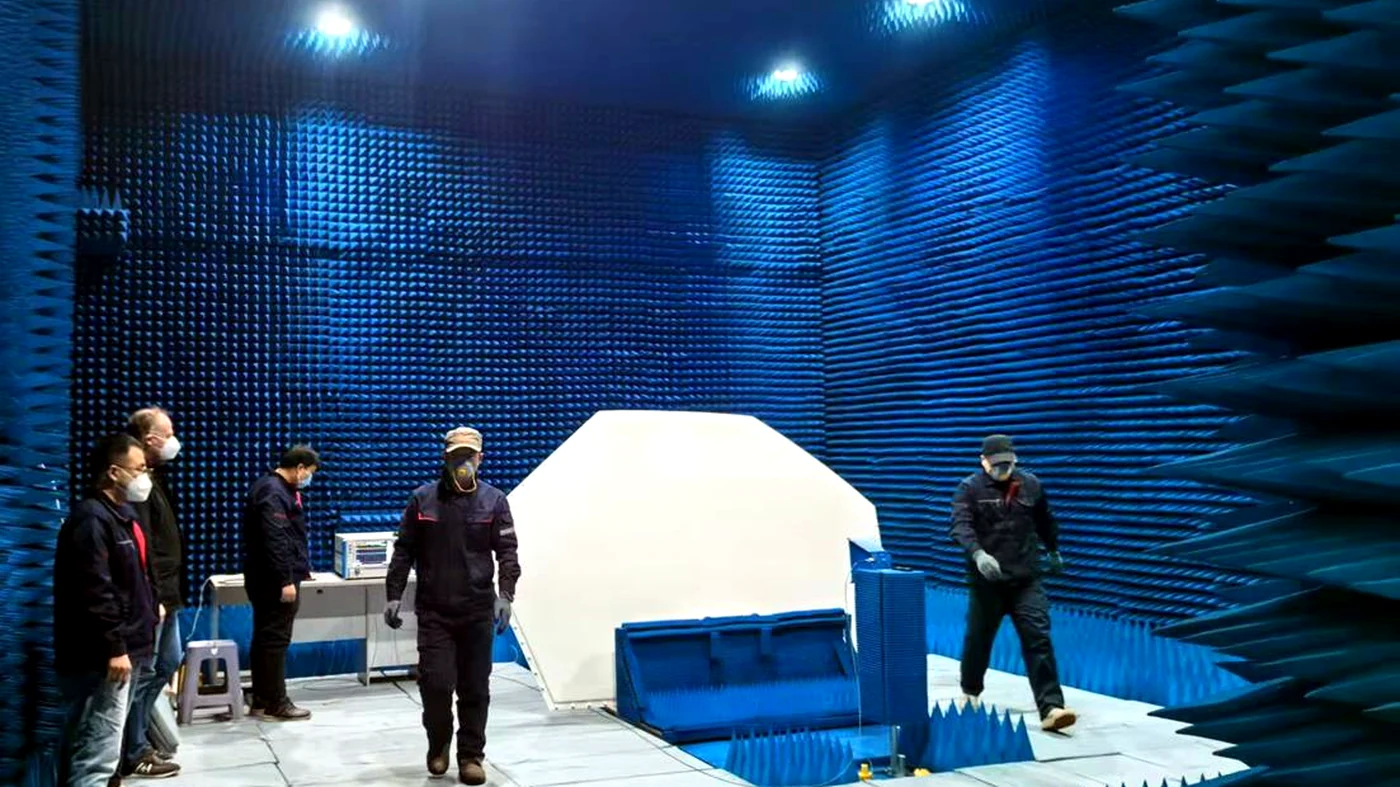
Electromagnetic work
Radome projects can involve RF transparency review, frequency range matching, electromagnetic simulation and practical performance checks.
Test equipment
Factory capability includes microwave anechoic chamber resources and vector network analyzer capability for radome-related electrical performance work.
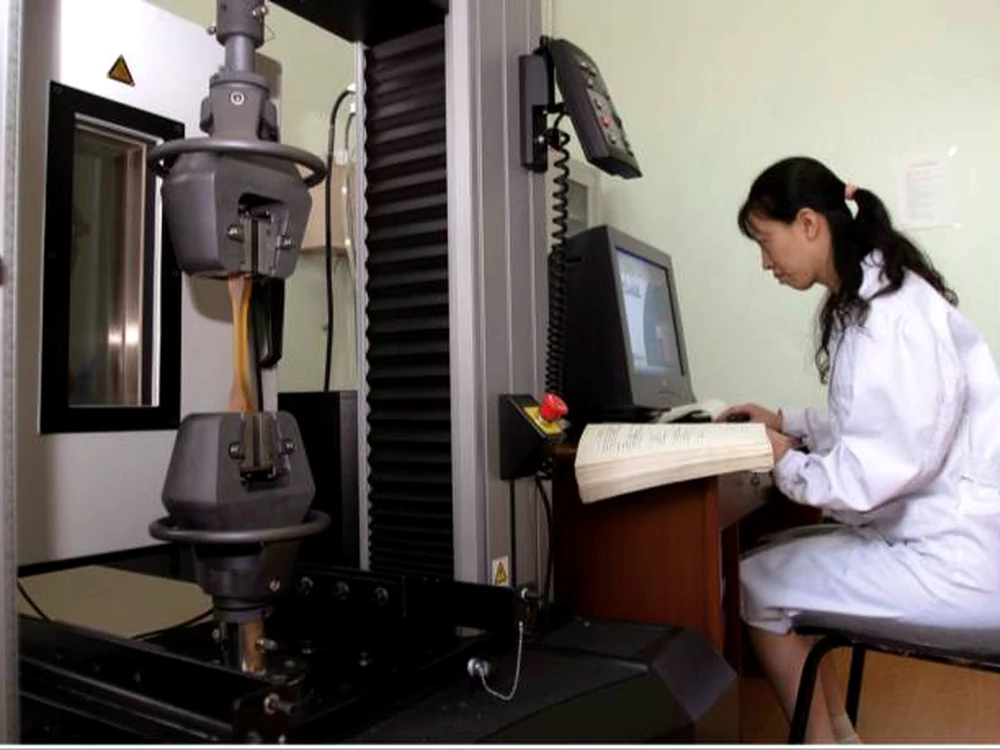
Structural checks
Structural and material performance work supports wind, snow, ice, UV, corrosion, transport and installation-related project decisions.
What customers should provide
For a useful technical review, send the operating frequency range, antenna or radar type, radome size, site location, wind load, temperature range, snow or ice conditions, corrosion exposure and any available drawings.
Why this matters
When customers buy a standalone radome, they need confidence that the cover is not just physically similar to the old one. It must also match the equipment, the site environment and the installation method.
Connected next steps
Choose the matching radome product page
After reviewing validation needs, continue to the product family that best matches the antenna, radar, site size and installation route.
Not sure yet
Start with project situation, protected equipment and site environment before choosing a radome type.
Use guideFRP / composite
Rigid composite radomes for many antenna, radar, satcom and replacement projects.
View FRPMetal space frame
Large-span modular structures where wind load, transport and onsite assembly matter.
View MSFInflatable / ASR
Air-supported membrane enclosures for large antenna sites and access-limited projects.
View ASRWeather / ATC applications
Application pages for weather radar, satellite communication and civil aviation radar protection.
View applications