Product Scope
Radome datasheet and specification guide
Use this page to understand what types of radomes Radomecn can supply and what information helps us review, quote and manufacture a suitable standalone radome.
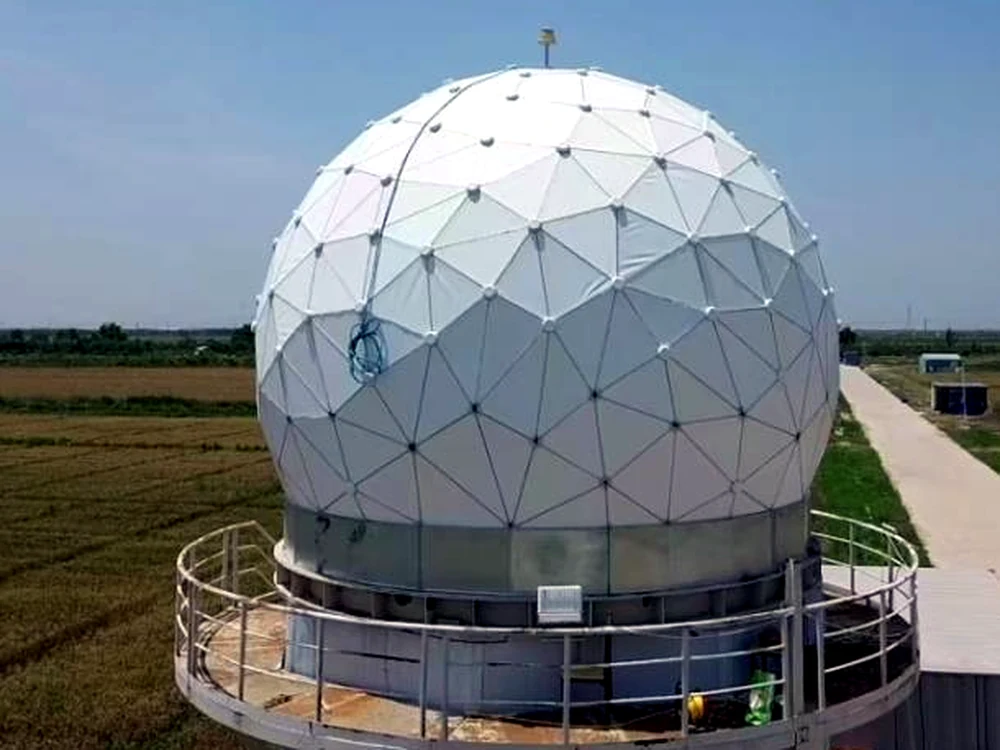
Radome coverage
| Category | Typical applications | Common project situation |
|---|---|---|
| FRP / composite radomes | Radar, satcom, industrial communication and general antenna protection. | New cover supply, damaged fiberglass replacement, customized diameter or interface. |
| Metal space frame radomes | Large radar, weather, monitoring and satellite communication sites. | Large-span structure, modular transport, onsite assembly, high wind or exposed sites. |
| Air-supported radomes (ASR) | Large enclosed antenna sites using aramid fiber membrane or PVC membrane with an air control system. | Projects requiring pressure-supported enclosure, container transport and hoisting-based installation planning. |
| Weather and satellite communication radomes | Weather radar, satellite communication antennas and remote communication sites. | Environmental protection with RF performance, replacement planning and downtime control. |
| Air traffic control radomes | Civil aviation radar and airport-related monitoring systems. | Reliable long-term protection, RF review, documentation and procurement support. |
| Custom radome structures | Project-specific antenna, radar or communication equipment. | Customer already has equipment drawings, site constraints or a replacement requirement. |
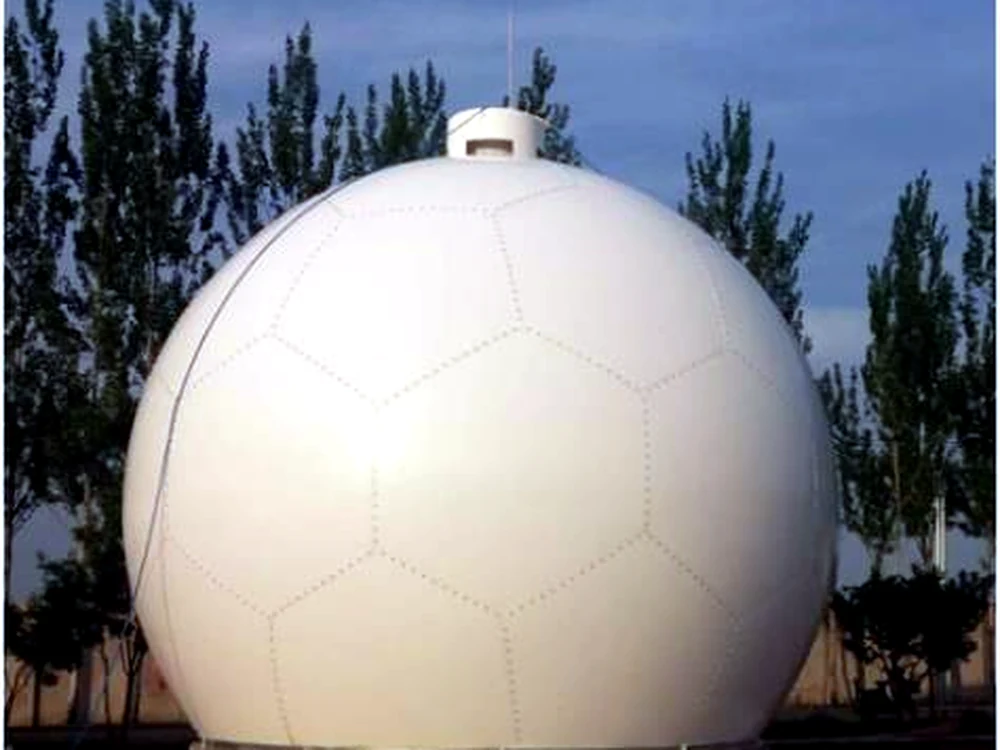
New site
The antenna or radar is selected, but the protective cover is not included or needs a dedicated radome manufacturer.
Replacement
The existing radome is aging, leaking, cracked, corroded, deformed or no longer suitable, while the equipment inside still works.
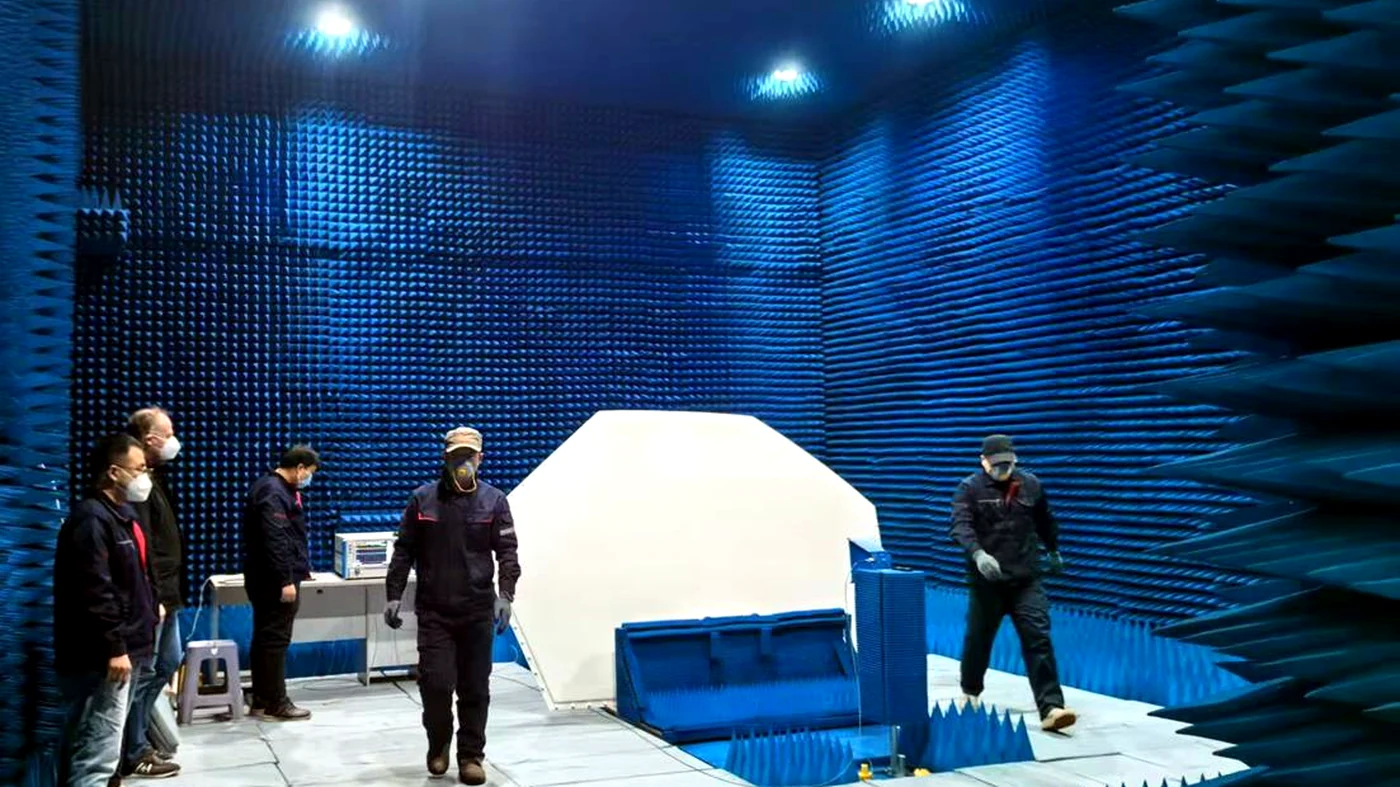
Technical review
The project needs RF, structure, material, site environment or installation input before the radome can be specified.
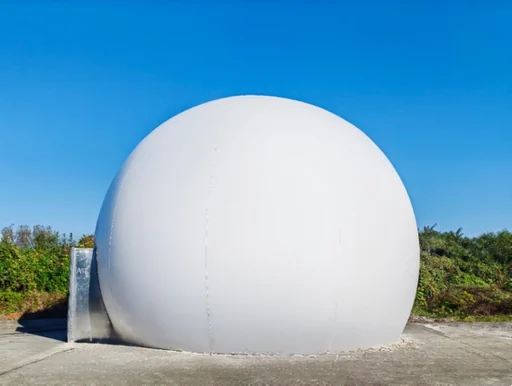
ASR selection
Air-supported radomes are reviewed around membrane material, internal pressure control, site access, hoisting and long-term environmental exposure.
Minimum data for quotation
- Antenna, radar or communication equipment type.
- Operating frequency range and any RF performance requirements.
- Required radome diameter, height and internal clearance.
- Site location and environmental conditions: wind, snow, ice, UV, salt fog, temperature and corrosion exposure.
- Base ring, foundation, access, lifting and installation constraints.
- For replacement: photos, drawings, old radome dimensions and visible damage notes.
What this page does not replace
Every radome still needs project-specific review. The datasheet helps customers understand the scope quickly, but final material, structure, panel split, RF review, transport and installation plan depend on the actual equipment and site.
Connected next steps
Open the product page that matches your project
The datasheet is the overview. The product pages explain use cases, engineering notes and the enquiry data needed for each radome family.
Not sure yet
Start with project situation, protected equipment and site environment before choosing a radome type.
Use guideFRP / composite
Rigid composite radomes for many antenna, radar, satcom and replacement projects.
View FRPMetal space frame
Large-span modular structures where wind load, transport and onsite assembly matter.
View MSFInflatable / ASR
Air-supported membrane enclosures for large antenna sites and access-limited projects.
View ASRWeather / ATC applications
Application pages for weather radar, satellite communication and civil aviation radar protection.
View applicationsNot sure which radome category fits?
Send the equipment model, frequency range, size target and site photos. Radomecn will help route it to the right product and service path.