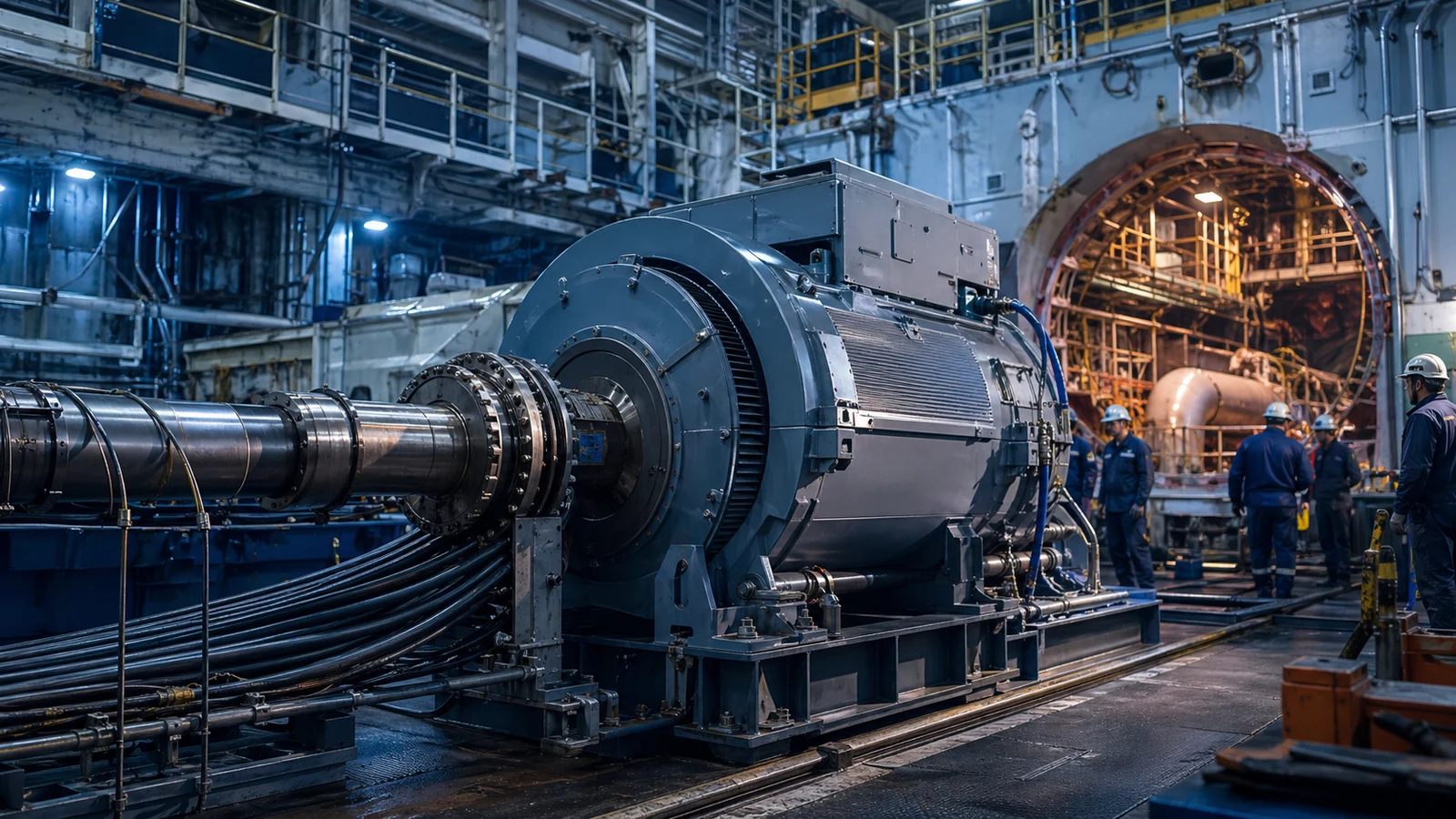
Shaft generator and marine power retrofit projects can support fuel efficiency, emissions reduction and electrical system optimization. But for owners, the critical question is not simply which equipment supplier offers the lowest price. The real question is whether the retrofit can be engineered, installed, class-approved and commissioned within a workable vessel schedule.
Start with the vessel operating profile
The right solution depends on how the vessel operates. Main engine type, shaft speed range, route profile, hotel load, cargo system load, maneuvering pattern and auxiliary generator usage all affect whether a shaft generator solution is suitable. A vessel that spends long periods at stable sea speed has different potential than one with frequent port calls or variable operation.
Integration risk is the hidden cost
A retrofit touches more than one piece of equipment. Owners need to consider shaft line interface, PTO/PTI arrangement, switchboard capacity, control system integration, cooling, cabling, foundation work, space constraints, class approval and commissioning. If these topics are not checked early, a low equipment quotation can become an expensive project later.
Supplier selection should include support capability
A strong supplier is not only a manufacturer. Owners should ask whether the supplier can provide design support, documentation, class coordination, commissioning engineers and spare parts response. For China-based solutions, the advantage may include equipment cost, manufacturing capacity and supplier network, but this advantage must be tied to project execution.
Yard coordination matters
The yard must be able to handle installation, steel work, cable routing, machinery assistance, class attendance and schedule control. If the retrofit is planned during dry dock, the critical path must be understood early. If the vessel is in service, riding team or phased installation may be considered, but this requires careful planning.
What owners should prepare before starting
- Main engine, shaft line and gearbox details
- Electrical drawings and load profile
- Available installation or docking window
- Class requirements and energy-saving objectives
- Space drawings and photos around installation area
- Current auxiliary generator operating pattern
A practical first step
Before selecting a supplier, owners should create a retrofit brief and ask whether the project is technically and schedule-wise realistic. This prevents the discussion from becoming a simple equipment price comparison and helps identify the yard and supplier coordination path.
Planning a shaft generator or marine power retrofit?
Nexus Ship can help connect equipment resources, yard coordination and project screening for China-based marine power solutions.
Explore Shaft Generator Solutions